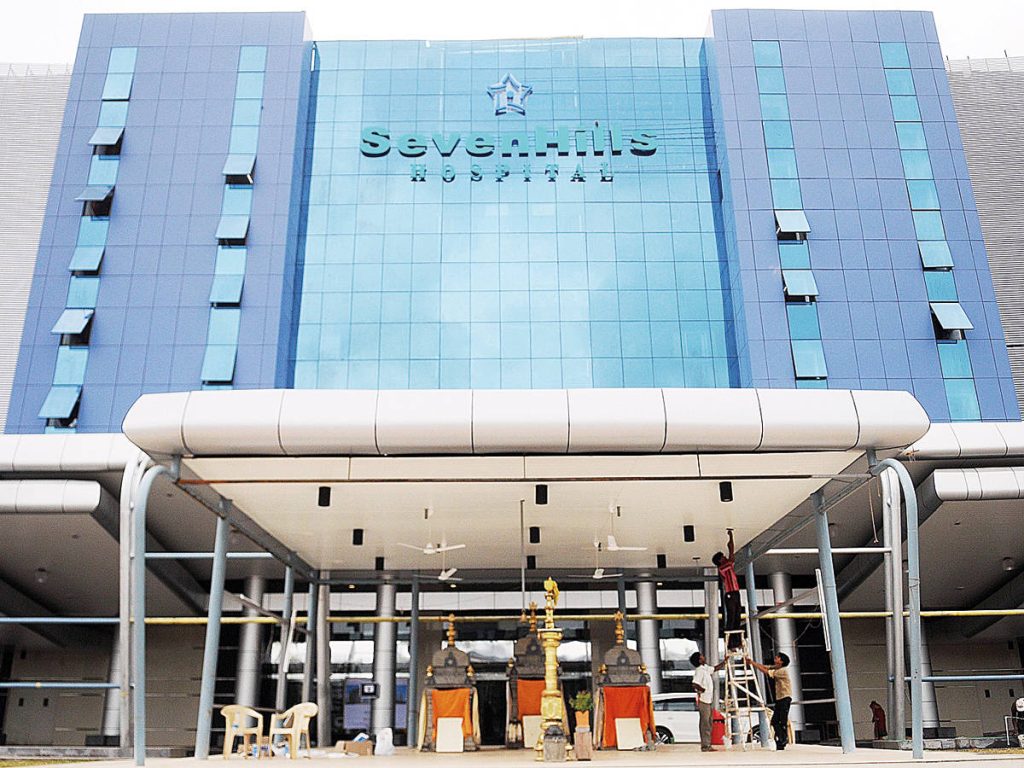
MEP Design In Health Care Projects

MEP Design In health Care Projects

Mechanical, electrical, and plumbing (MEP) design is absolutely crucial in the healthcare industry. These systems are the backbone of any healthcare facility, ensuring a safe, comfortable, and functional environment for patients, staff, and visitors. Unlike commercial or residential buildings, healthcare settings have unique and complex infrastructure demands that directly impact patient care and outcomes.   

1. Ensuring Patient Safety and Well-being:

  • Infection Control: MEP systems, particularly HVAC and plumbing, play a vital role in preventing the spread of infections. This involves: 
    • Air Quality and Filtration: Advanced filtration systems like HEPA filters are essential to capture airborne particles, including bacteria and viruses. Proper ventilation with adequate air changes minimizes the risk of airborne contamination.   
    • Airflow Control and Pressure Zones: Maintaining specific pressure differentials in critical areas like operating rooms and isolation rooms prevents the entry of contaminants. Positive pressure pushes air out, while negative pressure draws air in and contains it.   
    • Humidity and Temperature Control: Precise control of temperature and humidity levels inhibits the growth of mold and bacteria and ensures patient comfort, which can positively impact recovery times.
    • Water Quality: MEP design includes advanced filtration and sterilization (e.g., UV sterilization) to ensure a clean and safe water supply for drinking, sanitation, and medical procedures. Plumbing systems must also prevent backflow and cross-contamination.   
  • Reliable Medical Gas Systems: Hospitals rely on piped medical gases like oxygen, nitrous oxide, medical air, and carbon dioxide. MEP engineers design these systems for continuous and safe delivery at precise pressures to various areas, including emergency rooms, ICUs, and surgical theaters. Redundancy and backup systems are crucial to prevent life-threatening interruptions. Strict adherence to codes like NFPA 99 is mandatory.   
  • Uninterrupted Power Supply: A reliable electrical infrastructure is paramount. MEP design includes: 
    • Backup Power Systems: Emergency generators and uninterruptible power supplies (UPS) are essential to maintain critical operations during power outages, ensuring life support equipment, lighting, and other vital systems continue to function without interruption. Even a few seconds of power loss can have severe consequences.   
    • Specialized Power Requirements: Medical equipment and monitoring devices often have specific power requirements that must be carefully considered in the electrical design.   

2. Supporting Medical Functions and Technologies:

  • Integration of Medical Equipment: MEP systems must seamlessly integrate with sophisticated medical technologies, providing the necessary power, ventilation, and plumbing connections for diagnostic and treatment equipment. Adaptability for future technological advancements is also crucial.   

Specialized Environmental Control: Certain areas like operating rooms, laboratories, and pharmacies have very specific environmental control needs (temperature, humidity, air changes) that MEP design must address to ensure proper functioning and safety.

3. Ensuring Operational Efficiency and Sustainability:

  • Energy Efficiency: Healthcare facilities operate 24/7 and are significant energy consumers. Efficient MEP design aims to reduce operational costs and environmental impact through: 
    • Energy-efficient HVAC systems: Utilizing technologies like variable air volume (VAV) systems, heat recovery, and efficient chillers and boilers.   
    • Energy-efficient lighting: Implementing LED lighting and occupancy sensors.   
    • Building Automation Systems (BAS): Integrating and controlling various MEP systems to optimize energy consumption based on occupancy and usage.   
    • Renewable energy sources: Incorporating solar panels or other sustainable energy options.
  • Water Conservation: Implementing low-flow fixtures and water recycling systems can significantly reduce water consumption.   
  • Waste Management: Proper plumbing design includes systems for the safe and hygienic disposal of medical waste.   

4. Regulatory Compliance:

  • Healthcare facilities are subject to numerous stringent regulations and codes at local, state, and national levels (e.g., NFPA, ASHRAE, HTM, FGI, LEED, WELL). MEP design must comply with these standards to ensure patient safety, functionality, and legal compliance. Staying updated on the latest regulations is a continuous requirement.   

Challenges in Healthcare MEP Design:

  • Infection Control: Balancing high ventilation rates and filtration with energy efficiency.   
  • Redundancy and Reliability: Ensuring continuous operation through backup systems.
  • Energy Efficiency: Reducing consumption without compromising critical functions.   
  • Flexibility and Adaptability: Designing systems that can accommodate future changes in technology and healthcare needs.   
  • Patient Comfort: Creating a healing environment with optimal temperature, humidity, and noise control.   
  • Complex Regulations: Navigating and complying with numerous and evolving standards.
  • Integration of Complex Systems: Coordinating mechanical, electrical, and plumbing systems with each other and with medical equipment.   
  • Retrofitting Existing Buildings: Upgrading MEP systems in older facilities can present unique structural and logistical challenges.   

Conclusion :
MEP design is not just about providing basic building services in healthcare; it is a critical element that directly impacts patient safety, the effectiveness of medical treatments, operational efficiency, and regulatory compliance. Competent and specialized MEP engineering is essential for creating healthcare facilities that are safe, functional, sustainable, and conducive to healing.